
A practical home isn’t just nice to have. It’s a home that works with you, not against you. It’s not just the place you live; it’s a tool that enables you to live your best life. It could even be your biggest life hack!
I know that sounds dramatic, but think about it: the way your home is designed affects your mood, your energy levels, how long things take to do, how you spend time with your family, and even how well you sleep and relax.
And it’s something you have control over!
Intentionally designing your home to suit you and your family could be one of the highest-impact things you do. It’s certainly changed my life for the better!
So today I’m drawing on my own experiences to share my best advice for creating a happy home environment. Let’s dive in!
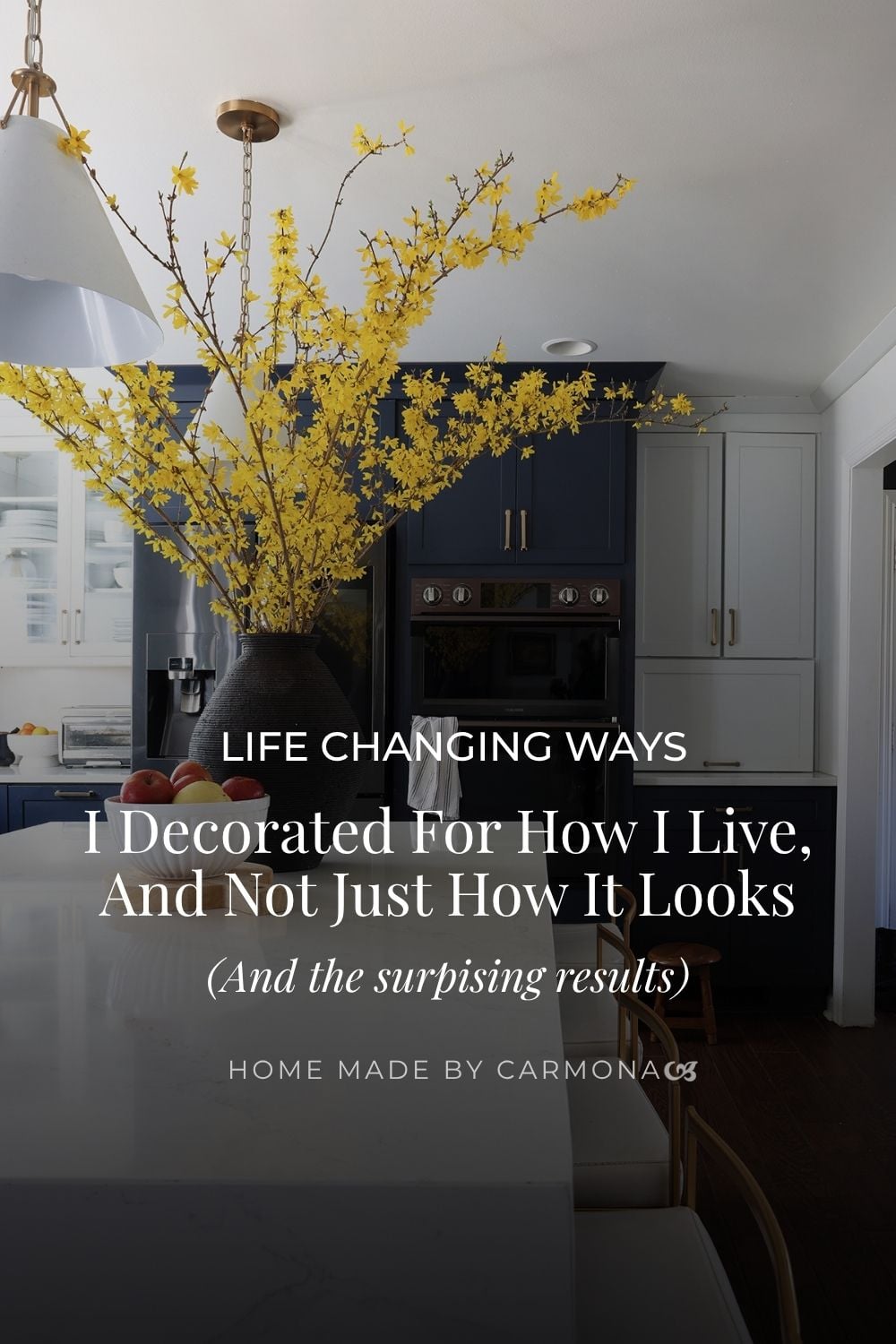
1. Break the Rules That Don’t Work for You
For me, the key to intentional homemaking has been giving myself permission to ignore any rules that don’t work for me. It doesn’t matter if the advice comes from Martha Stewart or Marie Kondo… if it doesn’t click for me, I ignore it.
For example, everyone knows you’re not supposed to work from your bedroom… But working from my bedroom has been life changing for me!
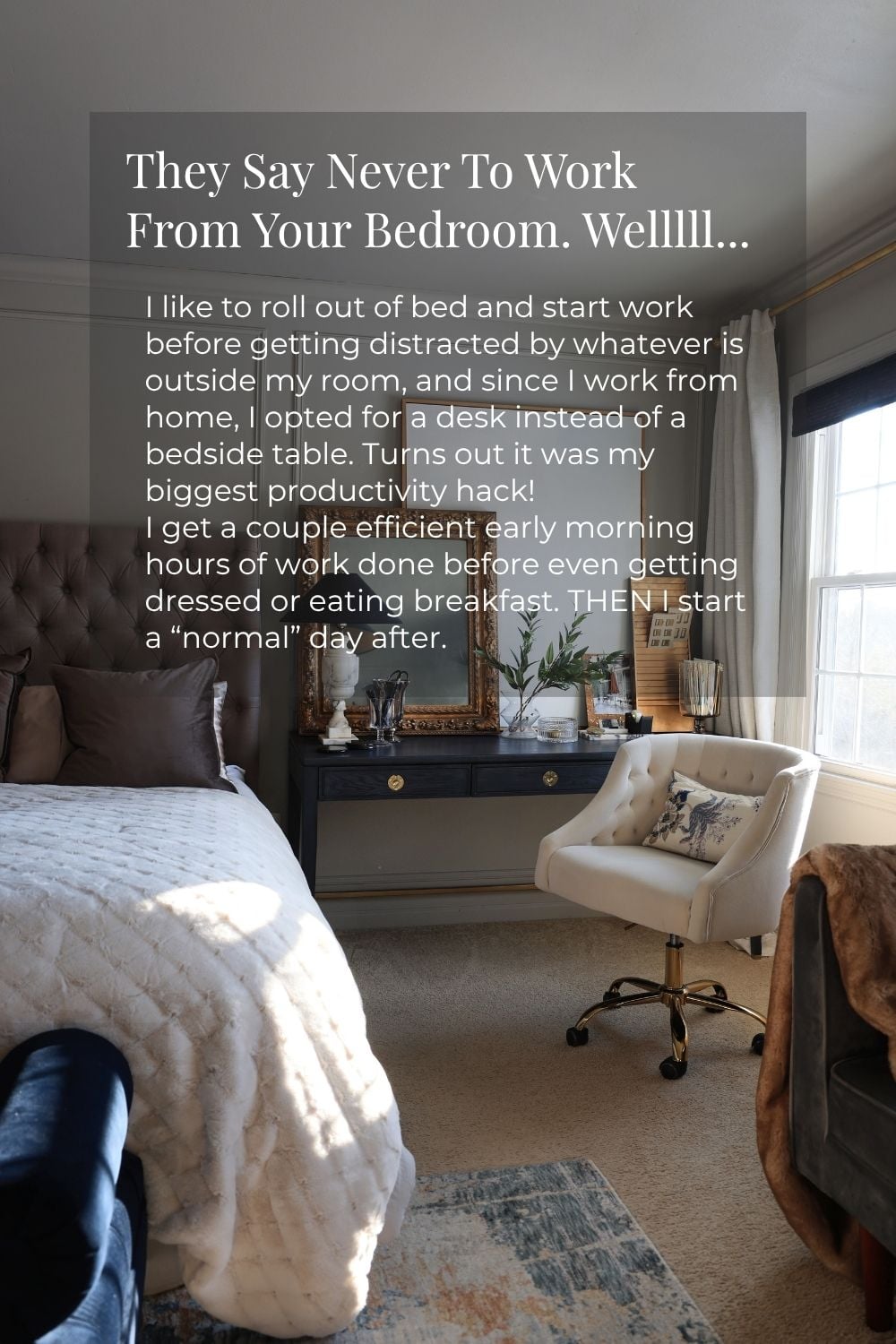
Instead of a bedside table, I have a desk next to my bed. This means I can get up and immediately start working, before anything else grabs my attention. I get a couple of hours of work done before I’m even dressed!
That one tiny change has had a massive impact on both my productivity and my mood. It sets me up for a good day.
I’m not suggesting you ignore traditional interior design advice altogether. I’m just saying that if something’s not working for you, maybe it’s not be right for you.
Here are some other home design and housekeeping rules you might want to question:
- Store cleaning products in a designated cleaning cupboard or closet
- Keep your belongings out of sight
- Group similar items together
2. Keep Things Where You Actually Use Them
One of the simplest ways to create a practical home is to stop putting things where they normally go and instead put them where you actually use them.
For example, I like to steam clothes in my room while I’m watching TV, so I keep my steamer nearby and hang clothes on a pull-out hanger by the window. It’s not normal, but it makes the task feels easier, so I’m way less likely to put it off.
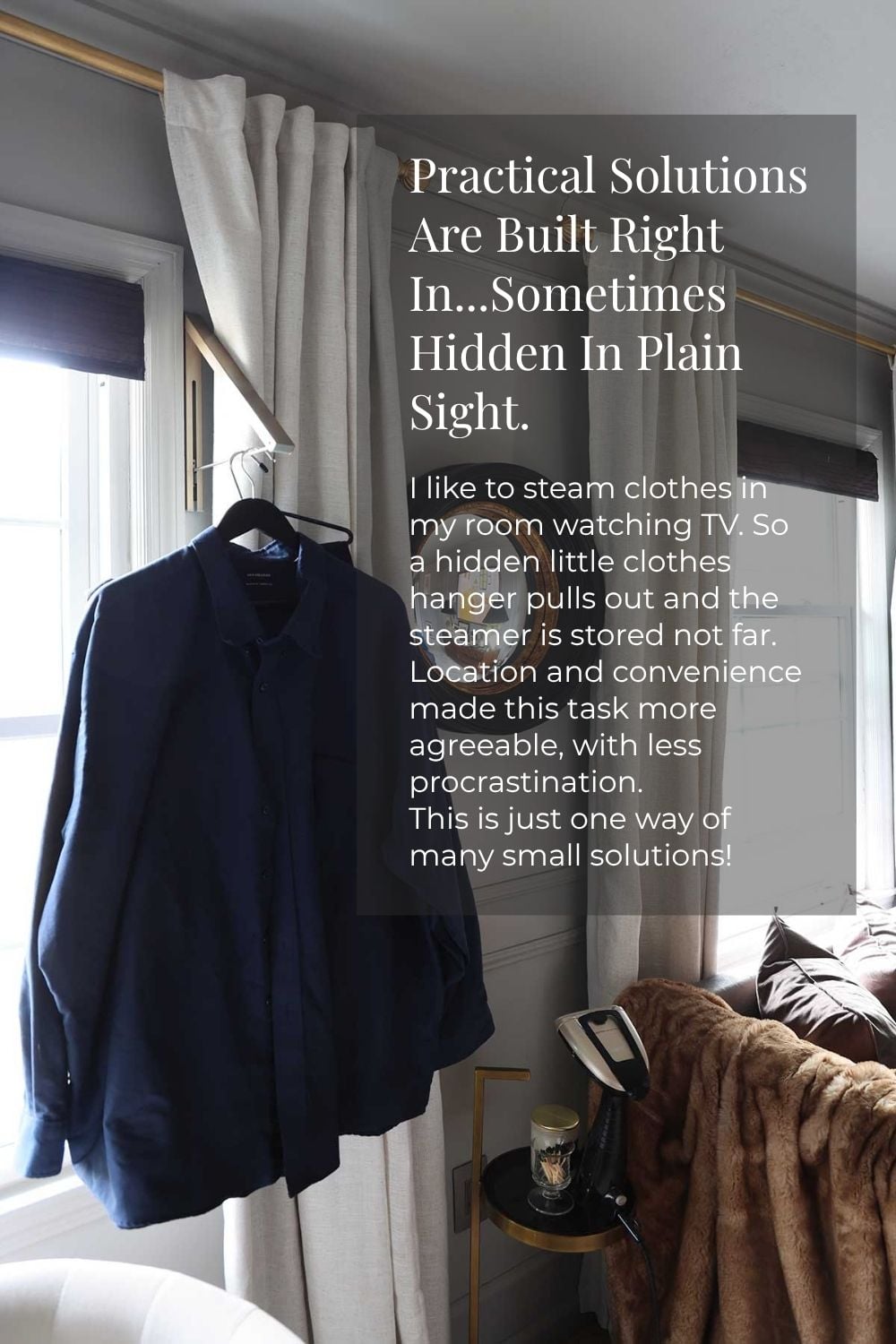
Think about the little tasks you avoid, delay, or forget to do, and ask yourself how you could make them more convenient. Here are a few ideas:
- If you forget to eat while you’re working, keep a fruit bowl in your home office
- If mornings feel impossible without coffee, keep a kettle on your bedside table
- If you like crafting while you watch TV, but it feels like too much effort to get your crafting supplies out each time, keep a craft trolley next to your couch
Going against the grain like this is how you create a home you enjoy living in!
3. Make It Easier to Do the Right Thing
As humans, we’re inherently lazy. If we can avoid doing something, we probably will. If there’s any friction at all, it’s even less likely we’ll do it.
A practical home has ease built into it, so that tasks can be done in just one or two steps, or as you go about your daily routine. There’s no inefficiency, awkwardness, or trying to remember involved.
I used to get frustrated at my children because they never hung their towels up on the rails in the bathrooms. I was constantly nagging them not to leave their towels on the floor.
Eventually, I accepted that hanging a towel on a rail was just a little bit too much effort for my kids. It sounds silly, maybe even defeatist, but I was finally being realistic.
I swapped the rails for hooks and that was it – the problem was gone! All of a sudden, my children were hanging their towels up, purely because it was a tiny bit easier.
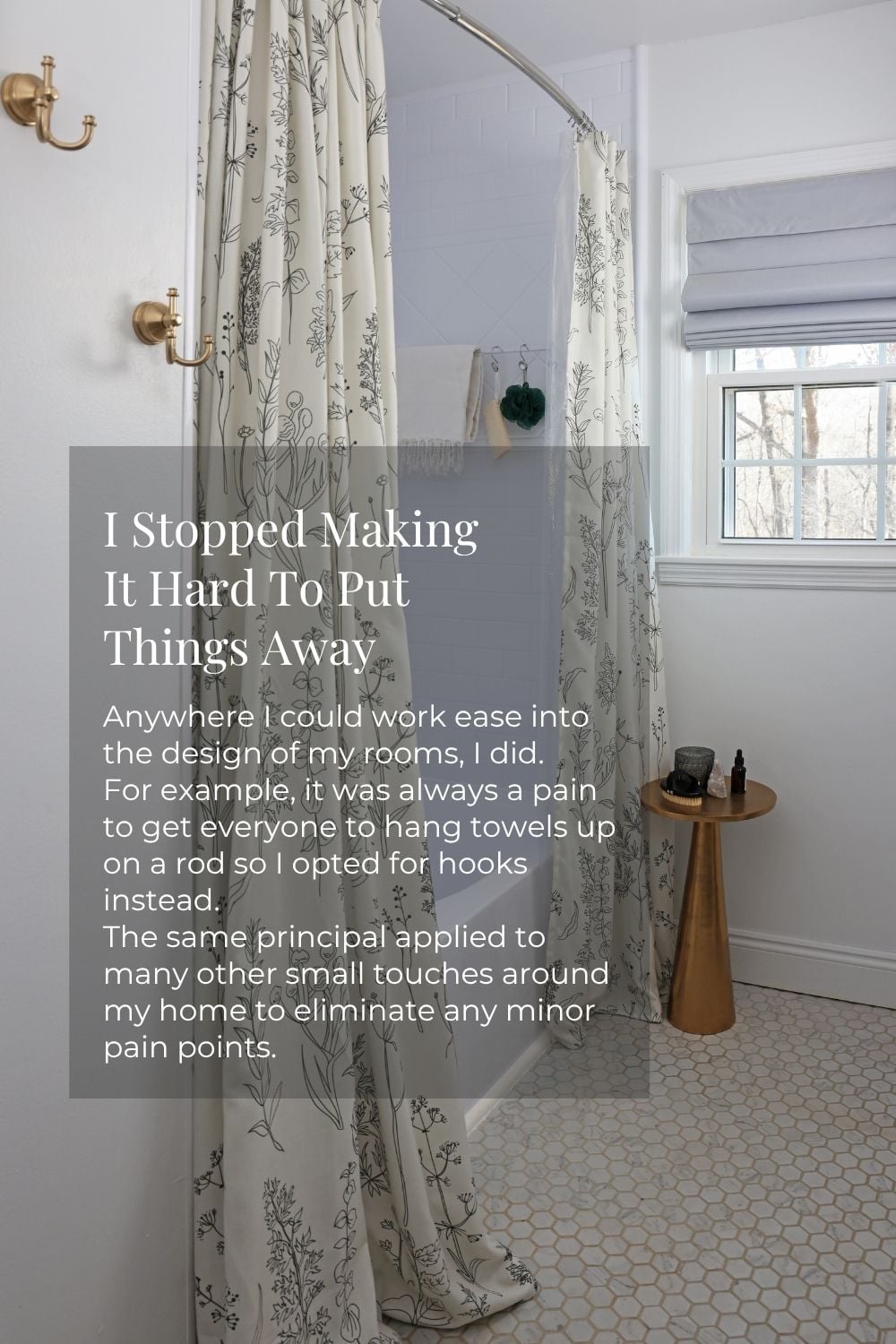
If you want a more functional home, you’ve got to look for and eliminate those annoying little pain points. Here are some ideas:
- If laundry rarely gets folded, swap those drawers for a wardrobe
- If empty packets get left around the house, put a trash can in every room
- If bags get dumped on the floor, install hooks by the front door
- If your kids forget to use coasters, leave them on the coffee table instead of stacking them up
- If you forget to clean your dog’s paws after a walk, hang a towel by the front door
Small home improvements like these are great because they make doing the right thing almost automatic. Everyday life becomes that bit easier almost overnight.
4. Plan Around What You Actually Own
If you want a practical home, you need to get into the habit of buying things that fit your lifestyle, instead of trying to make your lifestyle fit with the things you buy.
It’s all about intentional design – choosing storage, furniture, and layouts based on how you actually live and what you already own.
When I renovated my kitchen, I didn’t just pick storage that looked nice. I worked backwards from what I knew I needed to keep in my kitchen.
I ended up with an extra-large island with storage on both sides, and cabinets sized specifically for my containers and appliances. This means everything has a place and there’s no wasted space either. Keeping everything organized is almost effortless!
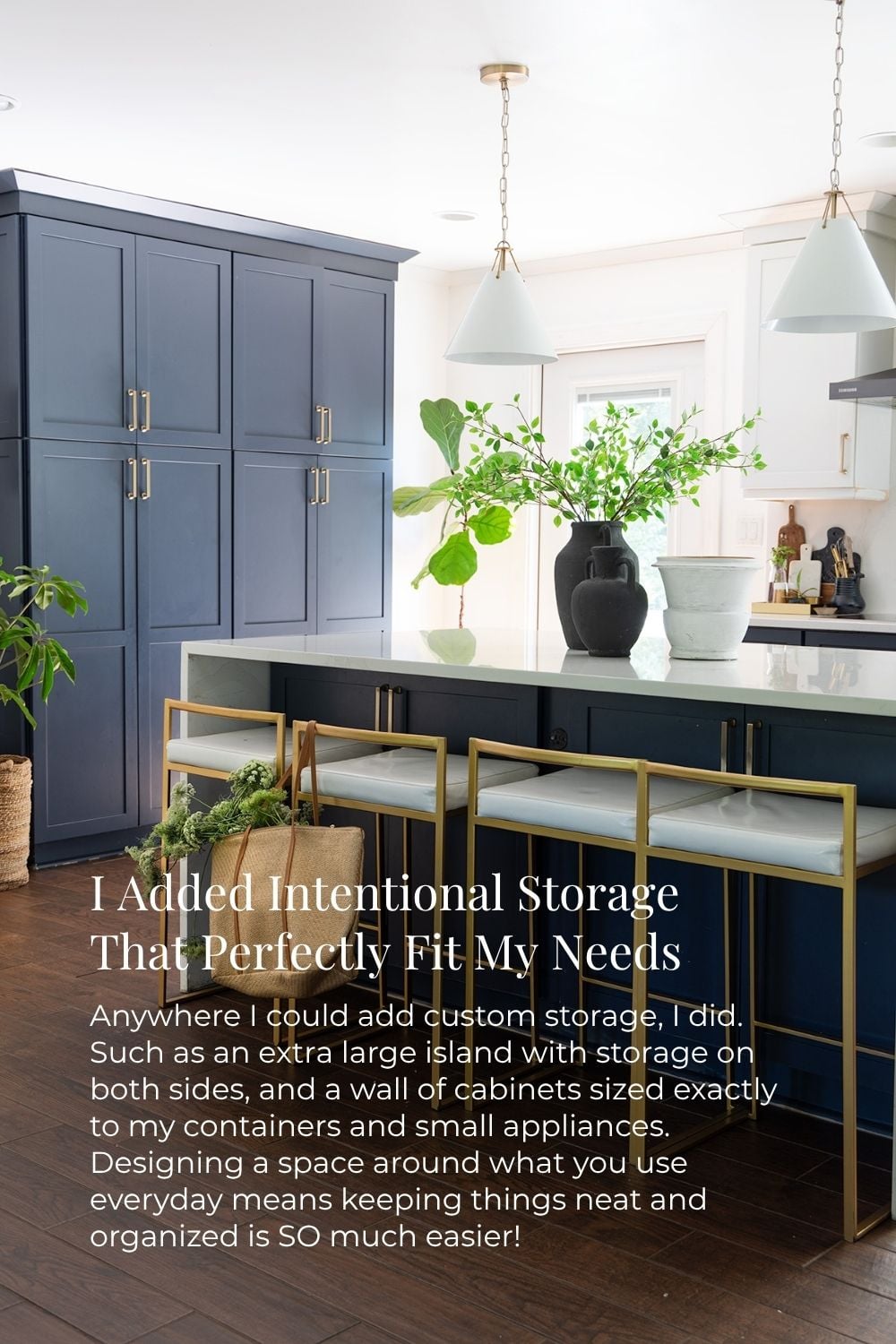
Of course, custom-made storage isn’t going to be an option for everyone. But there are plenty of ways to be intentional on a smaller scale. For example:
- Measure shelf space in your pantry before you buy any containers, so you can get ones that make best use of the space
- Decide what you’ll keep in your bathroom before you buy any cabinets or dressers
- Consider how quickly you get through soap and toiletries before you buy containers to decant them into
When your home is intentionally designed around your belongings and routines, daily life is much smoother!
5. Let Everyday Items Become Part of the Decor
If you want to live in a practical home, you need to let go of the idea that everything needs to be put away and kept out of sight.
If you use something every day, getting it out and putting it away again is a pain at best. At worst, it just doesn’t happen and your home starts to look messy.
The easiest way to eliminate that friction is by replacing those everyday items with more aesthetic versions that you’re happy to leave out!
This is where functional home decor and personal style come together. You’re not choosing between something being useful or attractive; you’re intentionally designing a home where it can be both.
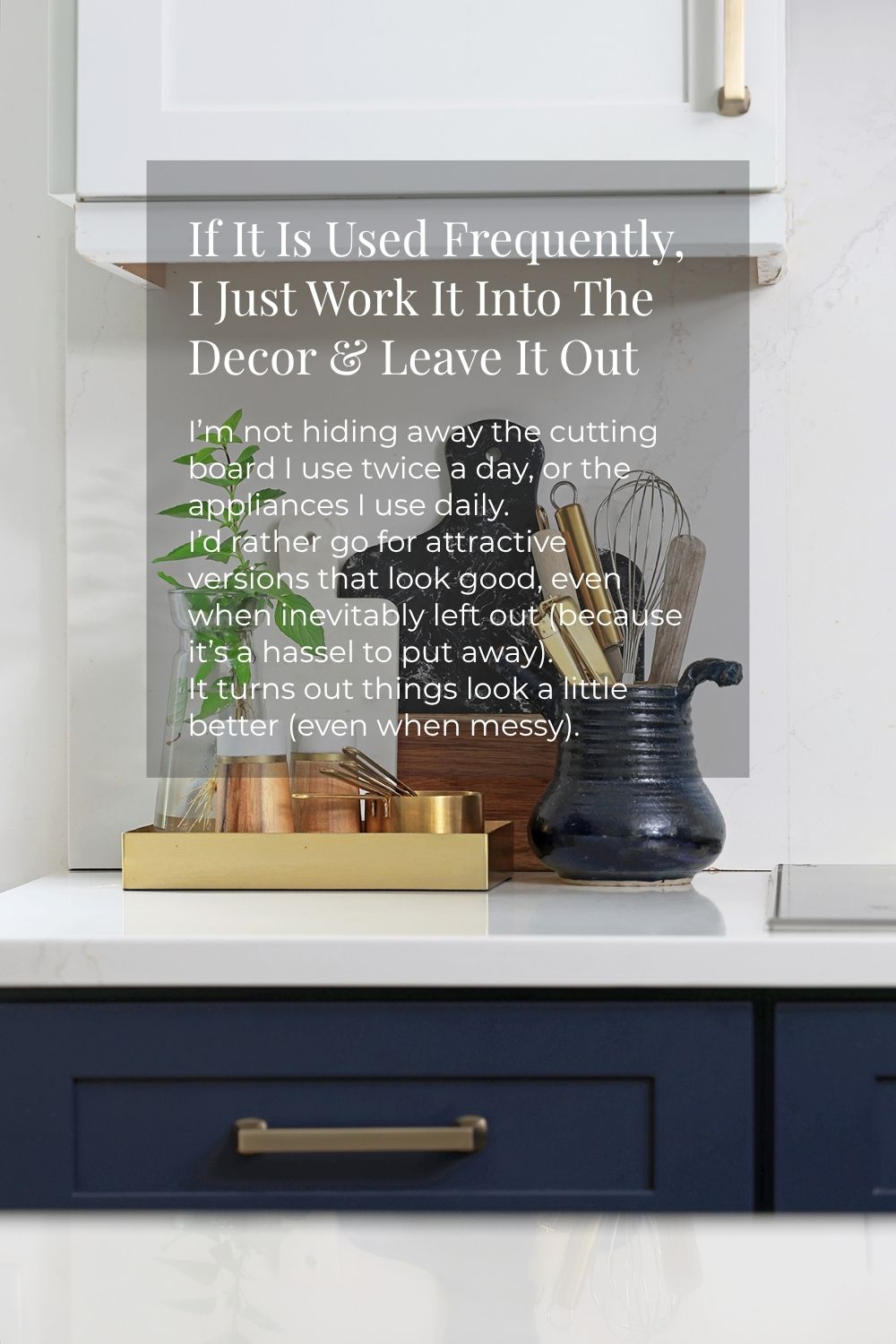
Here are some practical home decor swaps to consider:
- Decant cleaning products into pretty bottles
- Buy a tissue box or cover that matches your decor
- Choose small appliances that look good enough to leave out
- Swap scraps of paper or plain notebooks for pretty pads and pens
- Set up charging stations to wrangle all those loose leads
- Replace boring kitchen utensils with attractive ones you’re happy to display
- Choose dog bowls and accessories that complement your space
Designing a practical home shouldn’t mean sacrificing style. Actually, picking your home decor by lifestyle should make it easier to maintain a home that looks the part.
6. Build Flexibility Into Your Home
One thing I’ve learned in the process of creating a more practical home, is that no single setup is going to work perfectly all the time. So instead of limiting myself to one version of my ideal home, I started designing for flexibility.
For example, many of us love to hate the “big light”… but some of the work I do genuinely needs that kind of light! That doesn’t mean I don’t want a bit of coziness in the evenings though…
Rather than choosing one or the other, I decided to add multiple light sources and smart bulbs to each room. That way, I can configure my home to be the way I want it to be in any given moment.
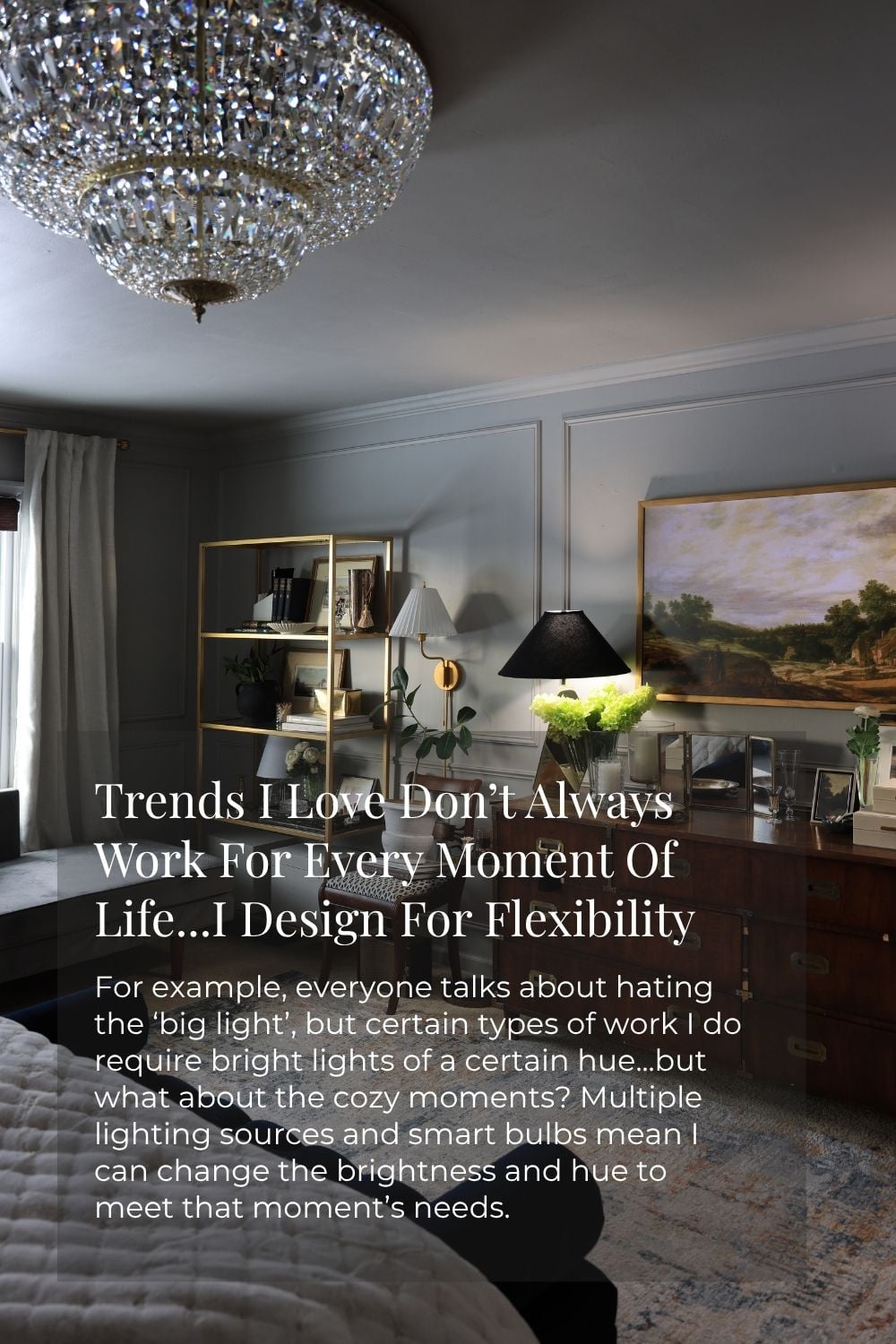
How can you make your home adapt to your needs? Here are some ideas:
- Have different duvets and blankets available for different times of the year
- Keep activities (crafts, puzzles, etc.) out of sight but easily accessible using trolleys and tables with removable tops
- Use neutral decor for walls, floors, and furniture, and switch out accessories whenever you want a change
- Use collapsible or multi-functional furniture to add extra seating when you’re hosting
- Keep multiple versions of objects around the house, so you can do certain tasks and activities wherever you feel like doing them (e.g. makeup, remote controls)
When your home is intentionally designed to flex like this, you can stop trying to adjust your habits to fit your space and let your space adjust to you instead.
7. Design Around Your Real Lifestyle
When most of us plan a room, we default to what we think that kind of room should be like. For example, a living room should have a couch, maybe an armchair or two, a coffee table, a TV, and probably some shelving.
That’s not the way to a practical home!
To design your space intentionally, ask yourself how you want to use it. Think about your real, everyday life, not just the name or usual function of the room.
Normally, I’m not a fan of open-plan living, however, I do love hosting dinner parties. I opened up my dining room to the kitchen, so I’d have more space to host guests. This one home modification has genuinely improved my social life!
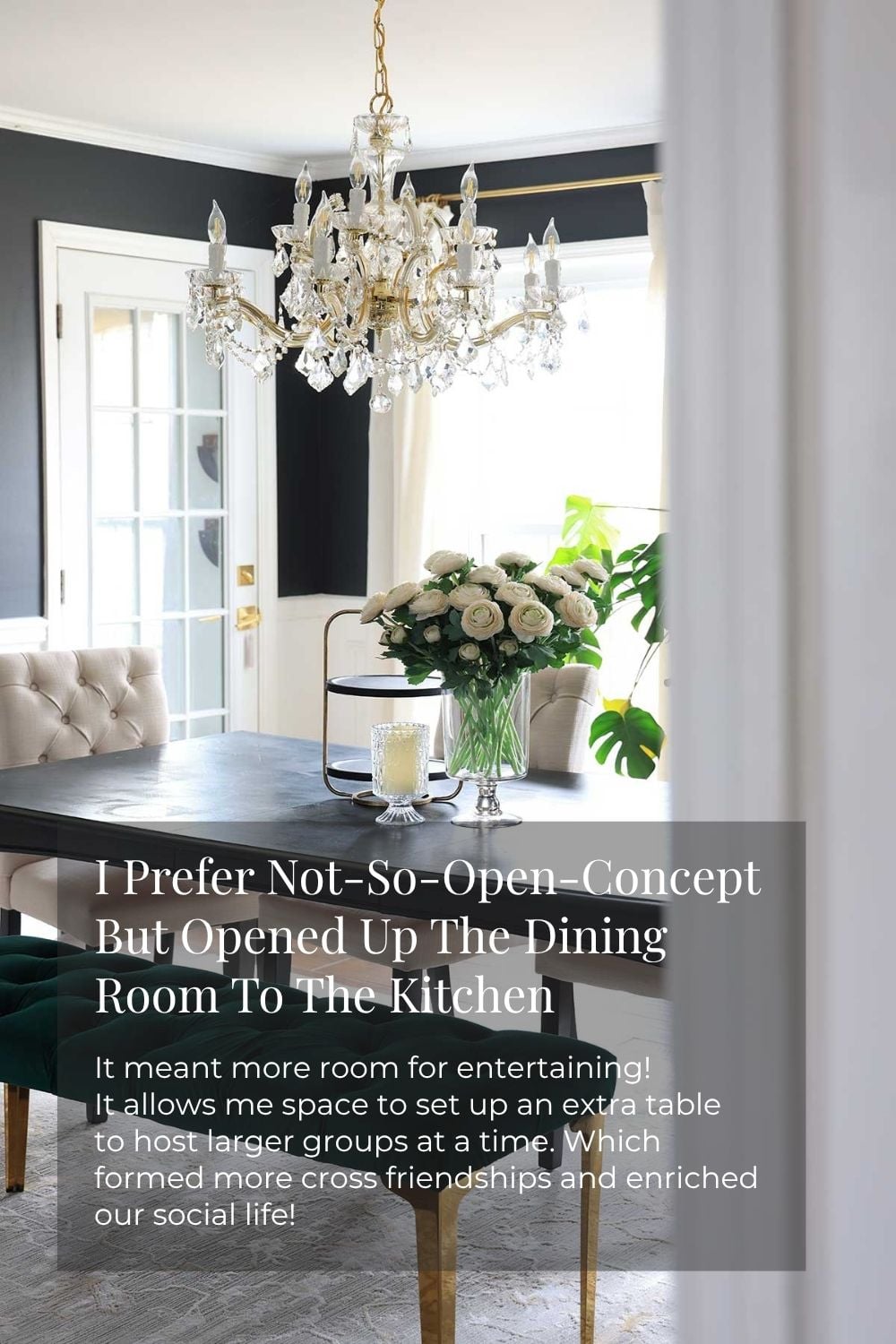
Instead of designing for a generic idea of a home, think about your routines, your family, and the moments you want to make easier. For example:
- If you have young children, how could you design your bathroom to make bathing them more comfortable?
- If you host dinner parties, how could you make serving food easier?
- Is your dining table actually a good fit for the people who tend to eat it at? E.g. are there too many seats or is it awkward for family members who use high chairs or wheelchairs?
When you start designing with your actual life in mind, your home becomes so much more enjoyable to live in.
8. Design for the Life You Want
Intentional design isn’t just about making your current life easier or more comfortable. Design is such a powerful tool that you can use it to change how you feel, prioritize certain values, and strengthen relationships. You can use it to help you move towards the kind of life you’d like to live.
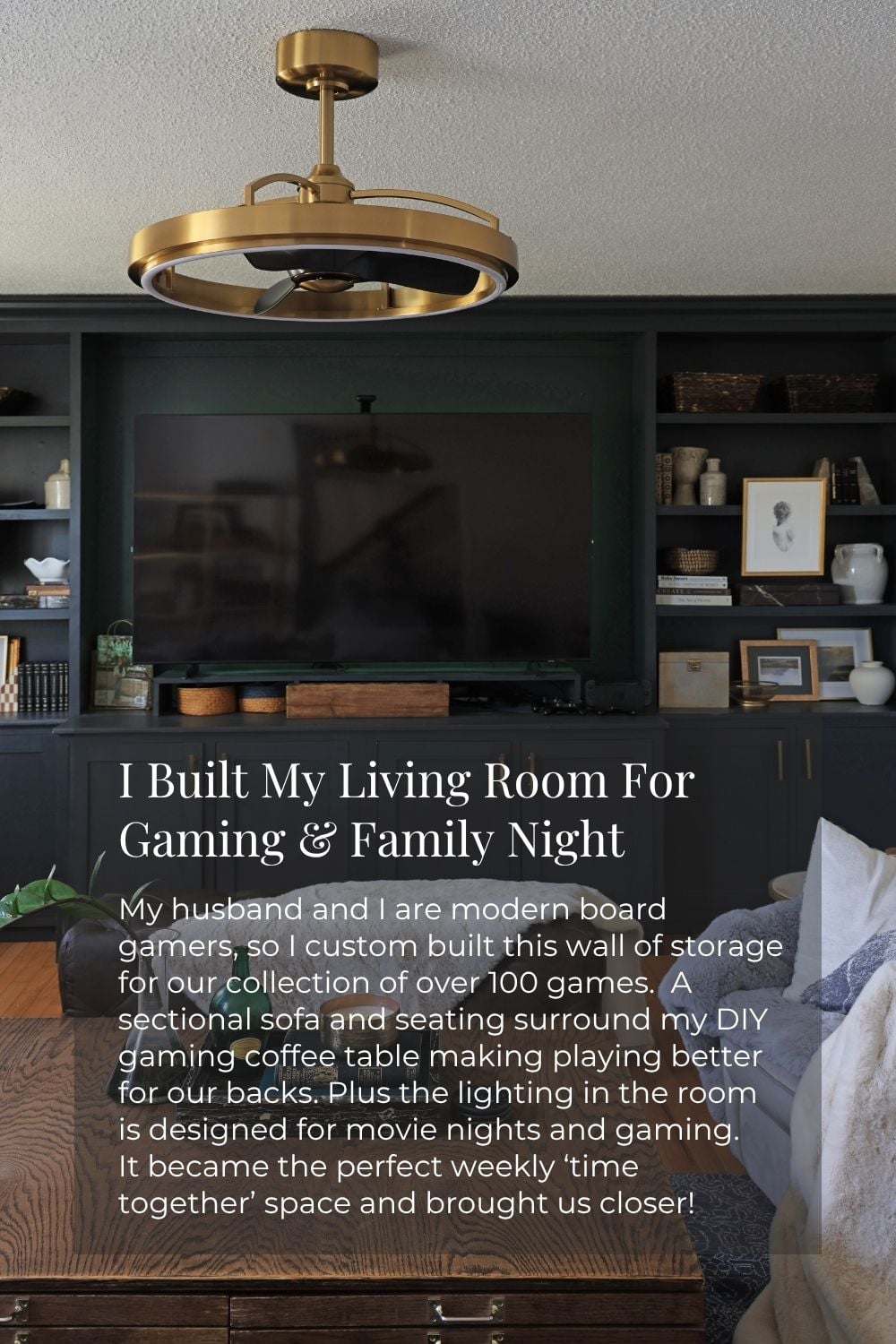
Gaming is important to my family, so instead of trying to squeeze it into a standard living room setup, I intentionally designed our living room around playing board games.
There’s plenty of storage for our board game collection, a gaming coffee table that ensures we don’t lose any of our pieces, and seating that works for long gaming sessions!
By making it easier and more comfortable to play, this intentional design has brought us closer together.
What are your values and interests? What would you like to encourage and discourage in your home? Here are some prompts to get you thinking:
- Could your teenagers do with more privacy? How could you introduce more separation and quiet into your home?
- If you work from home and struggle to switch off from work, how could you create clearer boundaries between work and rest?
- Do you wish you were more affectionate with your partner or your children? What furniture would make snuggling up together more appealing?
- If you often feel overwhelmed, how could you intentionally design your home to feel more peaceful?
- Do you wish your children had a love of reading or played outside more often? How could you adapt your home to encourage those things?
When your design your home around your values and interests, not just trends or expectations, it starts to shape your life in the best possible way. 🙂
The Key to Creating a Practical Home
If you want to live in a practical home, you’ve got to be prepared to do things a little differently. You need to let go of the status quo and any preconceived ideas of what a room should look like.
Instead, you have to step back to look at your real, everyday life – your routines, your family, your habits, and your pet peeves. Only then can you make the thoughtful home modifications that will genuinely improve your quality of life.
Give it a go and let me know how you get on!
Like This? You’ll Love These!


Related Posts: Simple home updates | Stylish toy storage ideas | Must-have kitchen features | How to modernize your home on a budget | Board game storage ideas | Smart laundry room ideas | Tips for hoarders |


Keeping things where you actually use them makes so much sense. It’s a small change, but it can make everyday routines much easier.